By Hannah Williamson
Museums outside London have histories just as illuminating as that of the big nationals. This was the premise of Re-exhibiting the museum, a conference held on 12th November 2025 at the Library of Birmingham. And so it proved, as the day sparkled with insight from early-career researchers. Thanks to the Manchester Centre for Gothic Studies I was able to attend.

The Gothic in museums surfaced periodically. Dr Lela Graybill spoke on ‘Inside the Black Museum: Evidence, Imagination and the Testimony of Things’ – her subject was Scotland Yard’s Crime Museum. Ostensibly it holds objects for training detectives but they’ve flirted with public access and with collecting non-evidential, fetishised objects since it opened in 1875. Amalia Wickstead, in her paper, ‘Casting the British Empire: Plaster Copies of Classical Sculpture and Colonial Complicity’ offered a framework for understanding the chokehold of plaster casts in colonial museums. She likened the casts’ effect on cultural spaces to the destruction wrought by European plant and animal species misguidedly forced on New Zealand. The insidious white plaster bodies quickly became ineradicable, killing all cultures that stood in their way. Sinister.
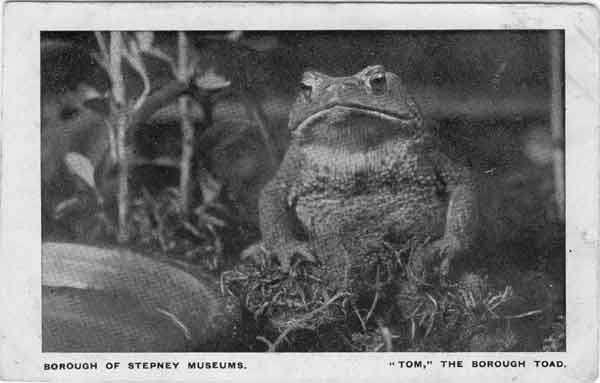
The day culminated with a keynote by Professor Kate Hill, who introduced a Gothic beast to her audience. Tom the Borough Toad, featured on a postcard issued by the Nature Study Branch of the Whitechapel Museum, was the hit image of the conference. The black-and-white photograph of Tom, emerging from his soily home, focussed our minds on Professor Hill’s topic, ‘Museums on the periphery: marginal people, objects and places in nineteenth-century museums’. She made the point that Tom, being alive and not a stuffed specimen, was not catalogable. He was an exhibit introduced to a museum vivarium by curator Kate Hall (1861-1918), who herself also presented a problem of categorisation to her fellow (male) curators.
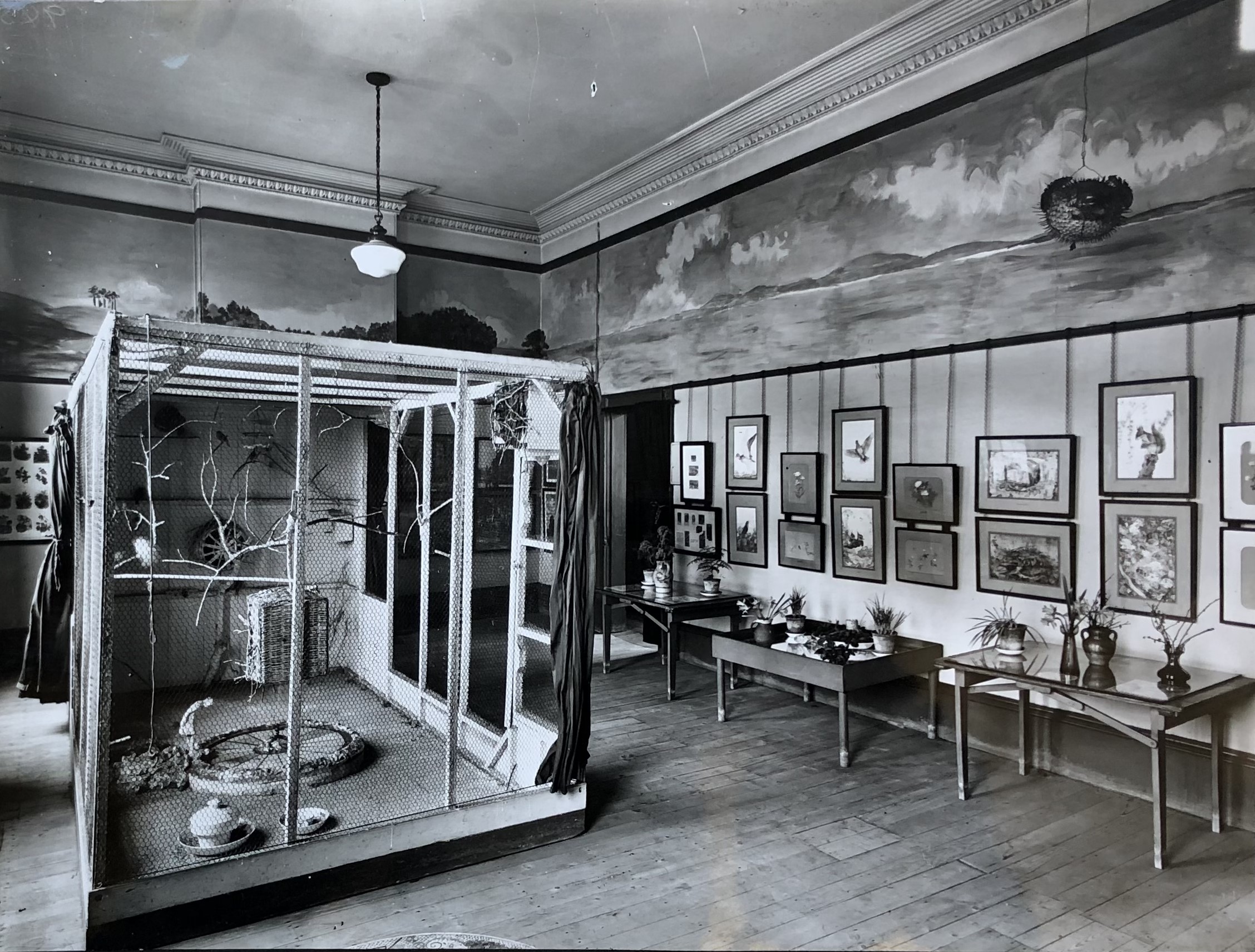
This parallel between the impermanent collection and the female curator exactly chimes with my own research on Manchester curator Bertha Hindshaw (1881-1955). Hindshaw was for 35 years the Assistant-Curator-in-Charge at the Horsfall Museum in Ancoats, Manchester (now demolished). I’m trying to establish why it was that her lengthy career is so hard to find out about now, and keeping un-pin-downable live creatures was certainly part of it. Although Hindshaw made a museum aviary, I don’t think she kept toads. But I can’t be sure – this is the challenge of writing about an early 20th-century woman – there’s evidence, but not all together, not previously valued, and not in the places you’d expect. Maybe a toad will emerge.
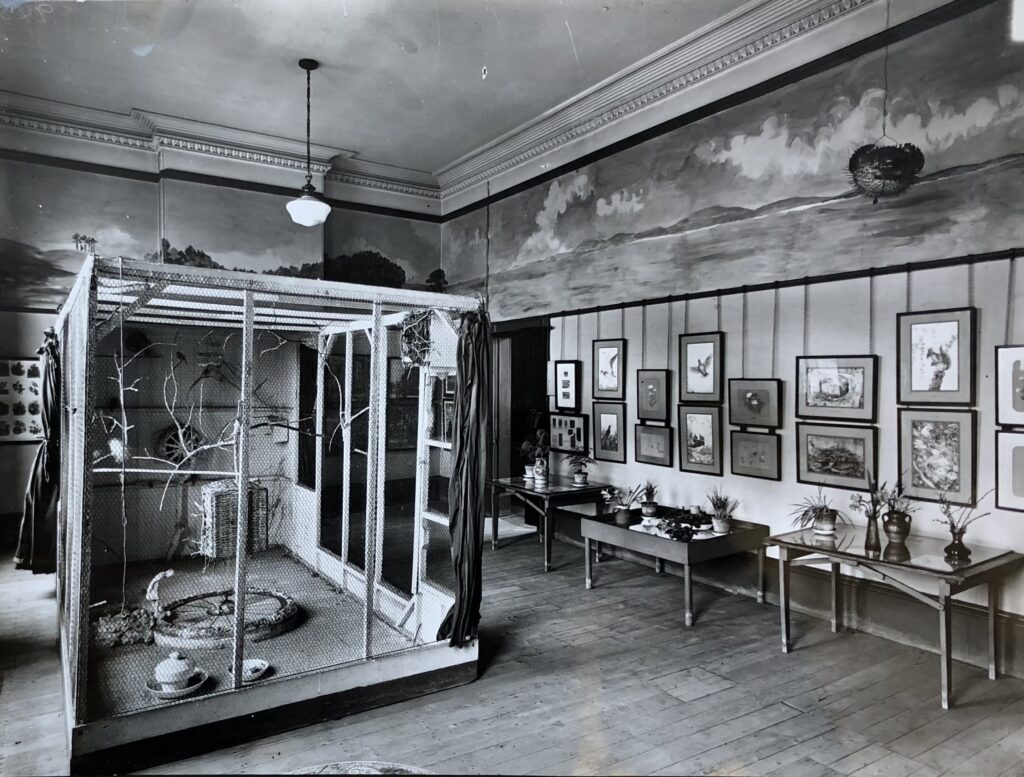
The Horsfall Museum aviary, late 1930s-1940s © Manchester City Galleries
Many thanks to the Manchester Centre for Gothic Studies for allowing me to meet Tom the toad, and to hear so many excellent papers at this well-curated conference.
Hannah Williamson is a Doctoral Student in the Department of English, Manchester Metropolitan University