By Rebecca Alaise
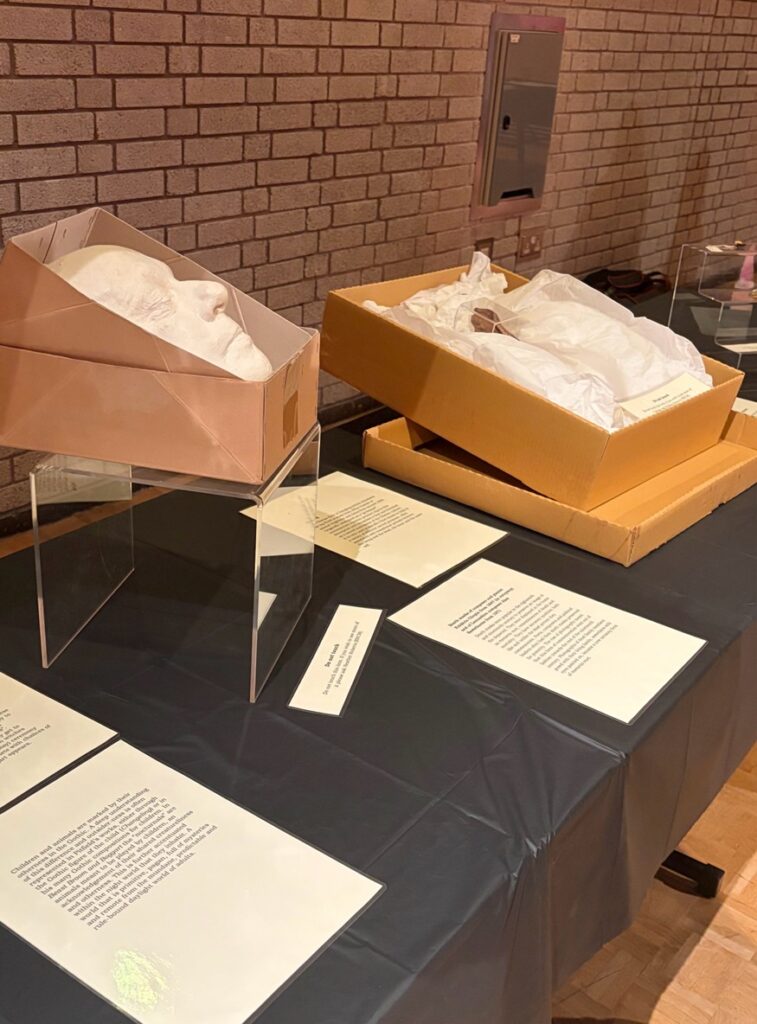
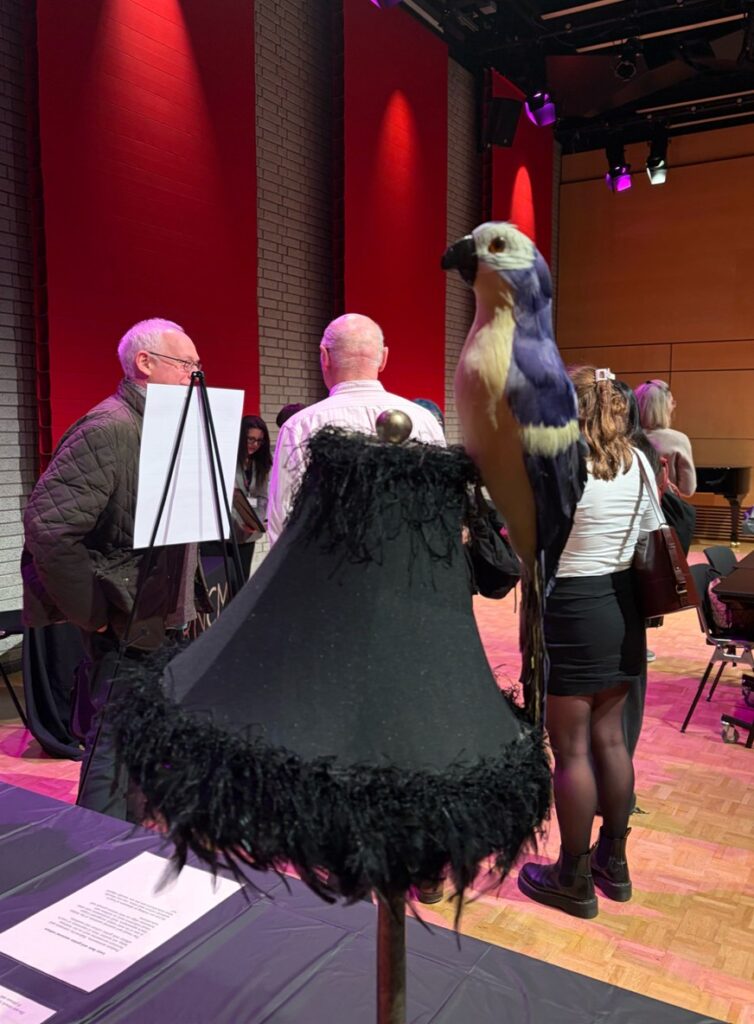
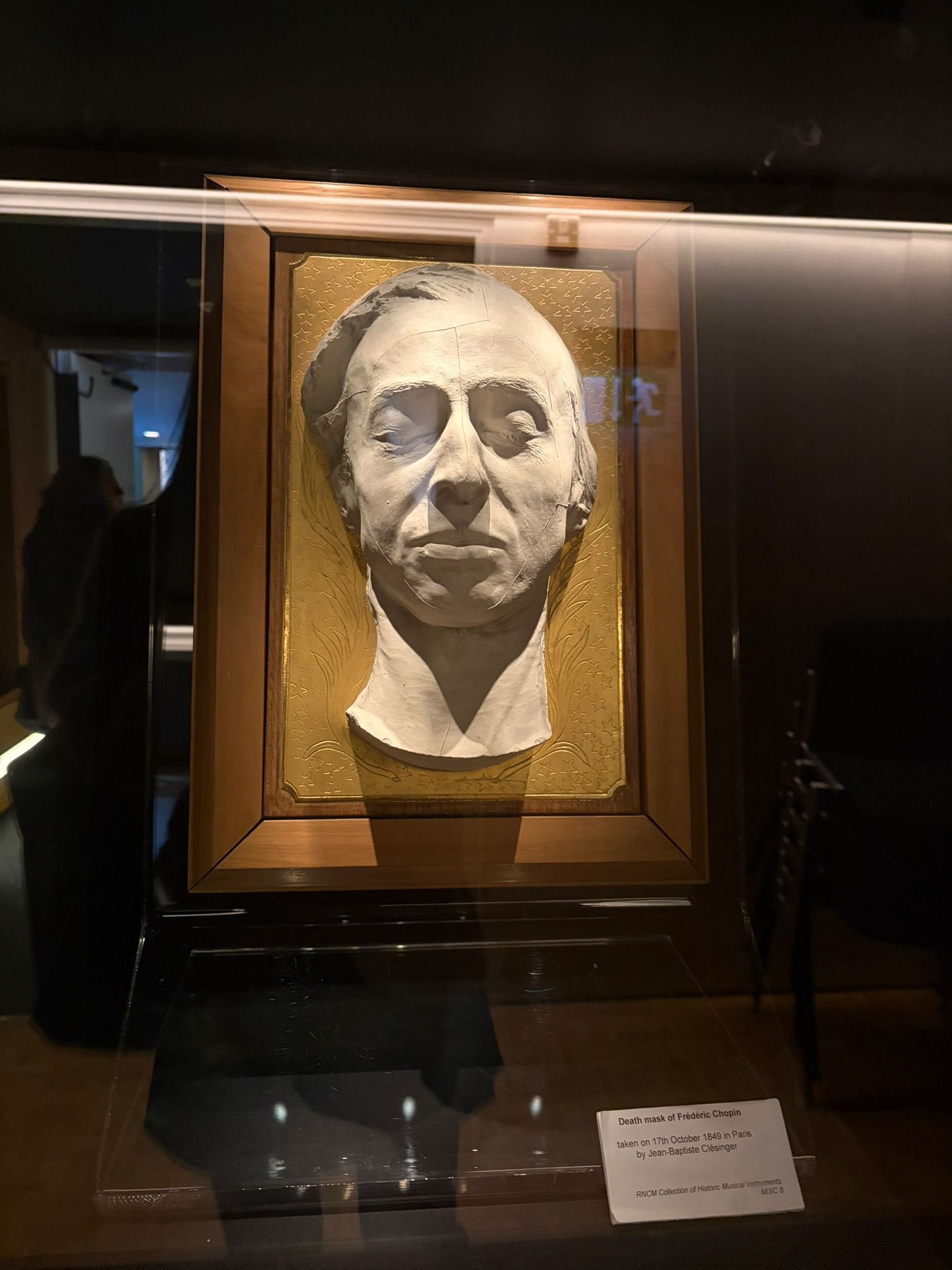
After a chilly stroll down Oxford Road on January 28th, I entered the RNCM’s Carole Nash Recital Room for an exhibition co-curated with the Manchester Centre for Gothic Studies. Finally feeling warm again and eager to enjoy one of four upcoming live performances, I beheld an exhibition of curious items: a parrot-adorned lampshade, a variety of antique mourning jewellery, carefully preserved manuscripts, and a host of other gems from the RNCM’s archives and museum. On closer examination, these exhibits were a less eccentric grouping than they initially seemed, telling the story of how the Gothic has endured, interwoven into the fabric of musical (and Mancunian) imaginations for generations.
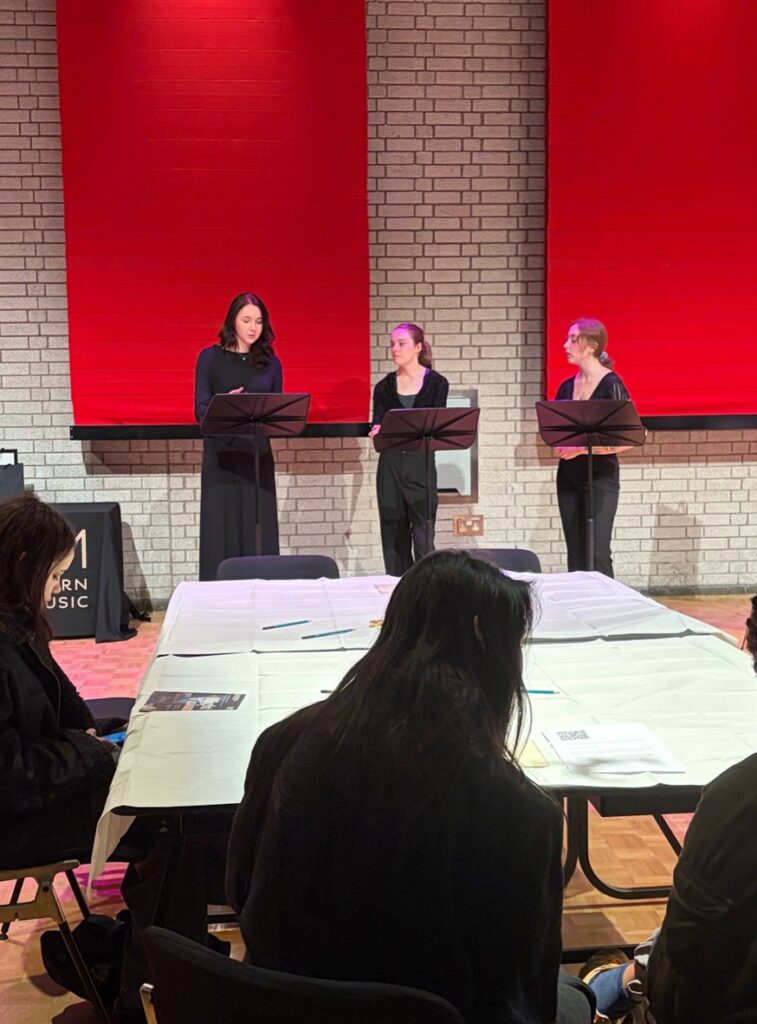
Gothic-inspired Mancunian musicality of the twenty-first century is perhaps most perfectly expressed in the oeuvre of the disabled composer, Lucy Hale (1994-2021) who was born with a life-limiting neuromuscular condition. The RNCM’s archives include a wide variety of her personal items as well as myriad manuscripts. This collection reflects Hale’s love of fictional and musical aesthetics of fantasy and the Gothic. When a trio of vocal students began to sing the first movement of Hale’s ‘On a Winter’s Night’, the already suspenseful atmosphere shifted towards one of chill-inducing magic. Beautifully weird, Hale’s composition was a masterclass of harmony and dissonance. As the three voices filled the space with their spine-tinglingly sonorous tones it felt as if the purpose of the exhibition was suddenly audible: the intersections between music, the Gothic, and disability/inclusivity suddenly summoned for all to hear.
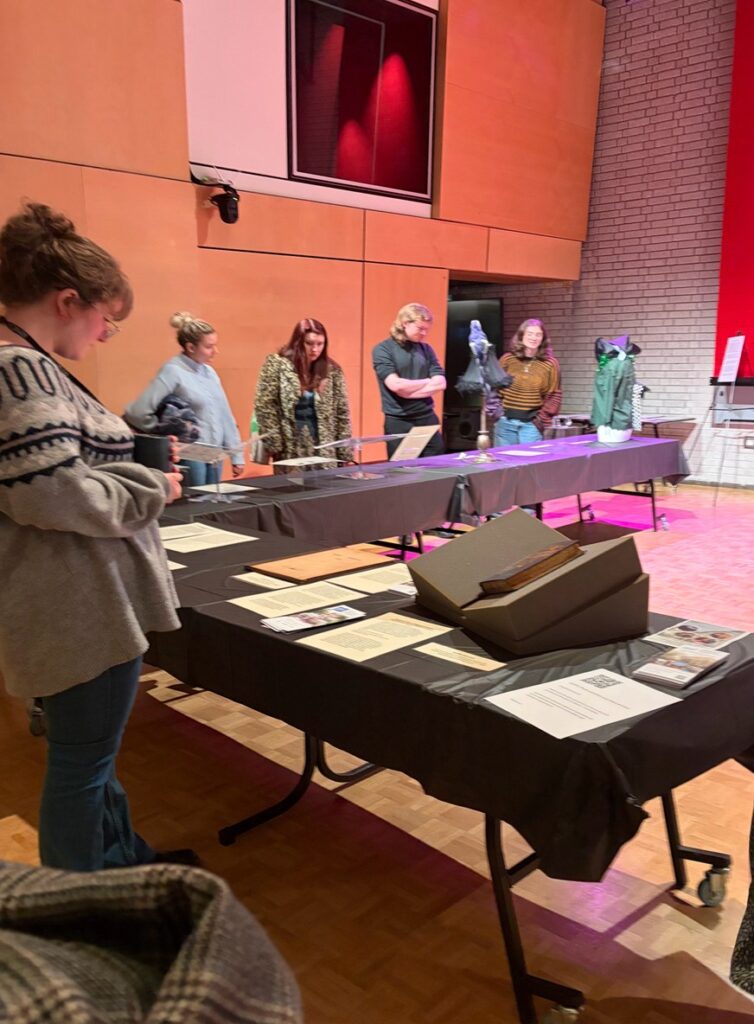
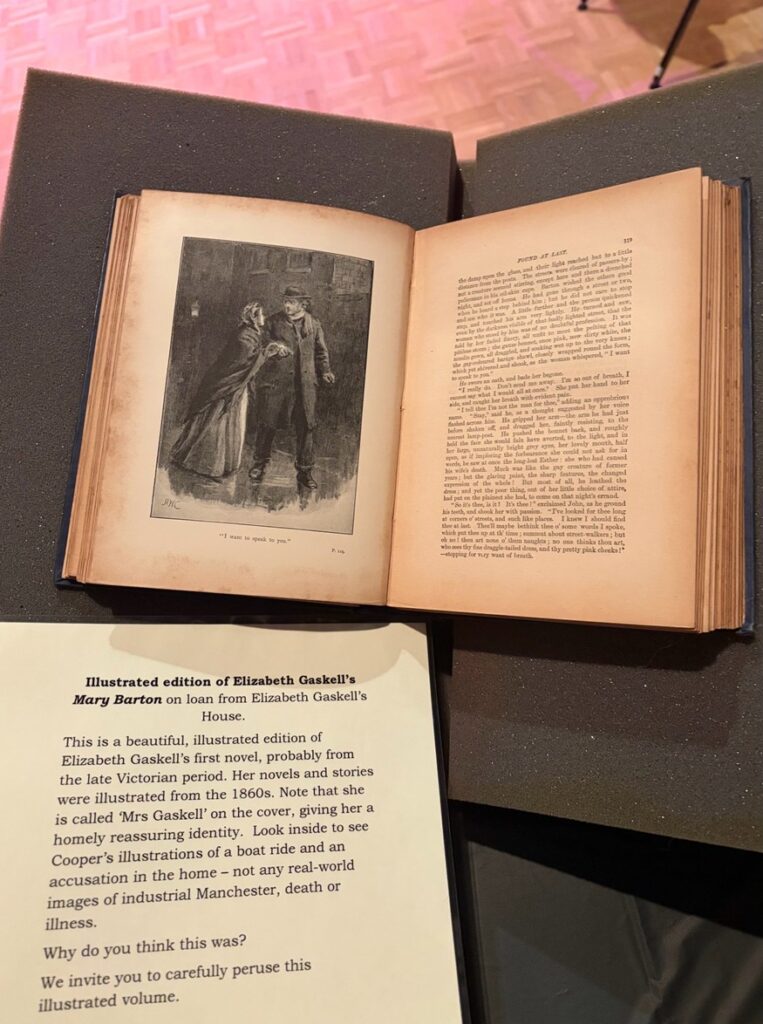
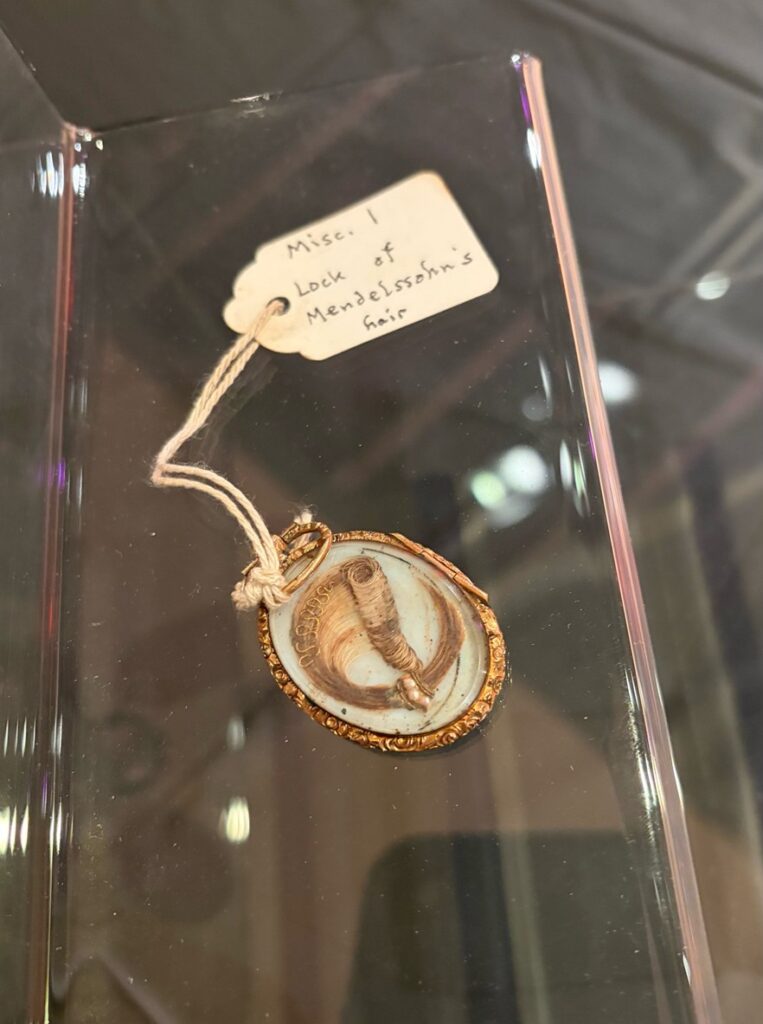
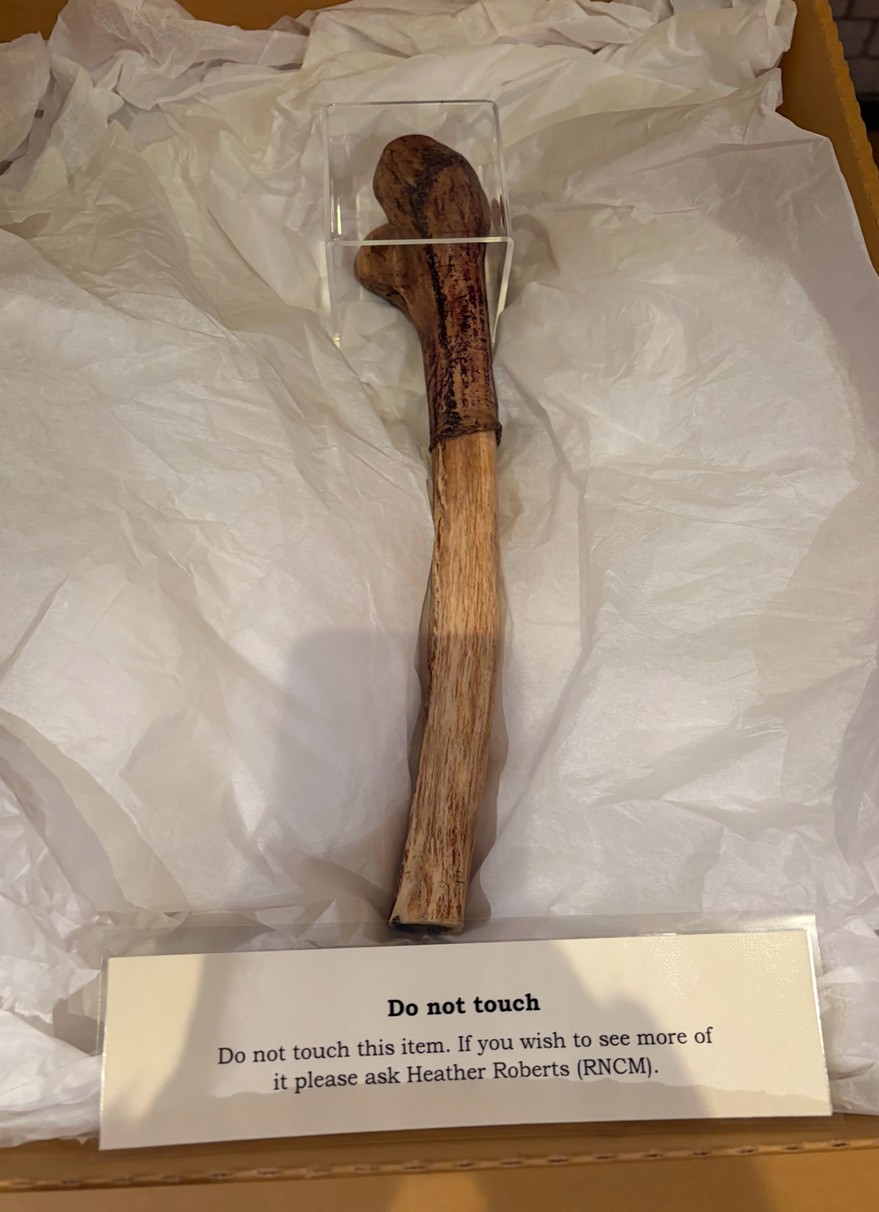
After the first performance we had time to further investigate the exhibits on display. A Victorian edition of Elizabeth Gaskell’s Mary Barton, on loan from Elizabeth Gaskell’s House, piqued my interest. Despite a number of elegant illustrative plates by Victorian illustrator Alfred William Cooper, the omission of any illustrations that might have drawn attention to industrialisation and illness raised interesting questions about the Industrial Gothic subgenre. With the Gothic’s interplays with disability and inclusivity an overarching theme of the exhibition, we were asked to ponder the ways in which certain aspects of urban living were presented in the nineteenth century. One table over, a flute made from a human thigh bone lay next to a locket in which a strand of the composer Felix Mendelssohn’s (1809-1847) hair was preserved. Here, the seemingly macabre Victorian fascination with memento mori became part of a wider exploration of ethics in archiving. Notions of consent and the problematic legacy of colonial pilfering that were sparked by the presence of these objects became a source of discussion at the round table discussion concerning ‘entombed histories’.
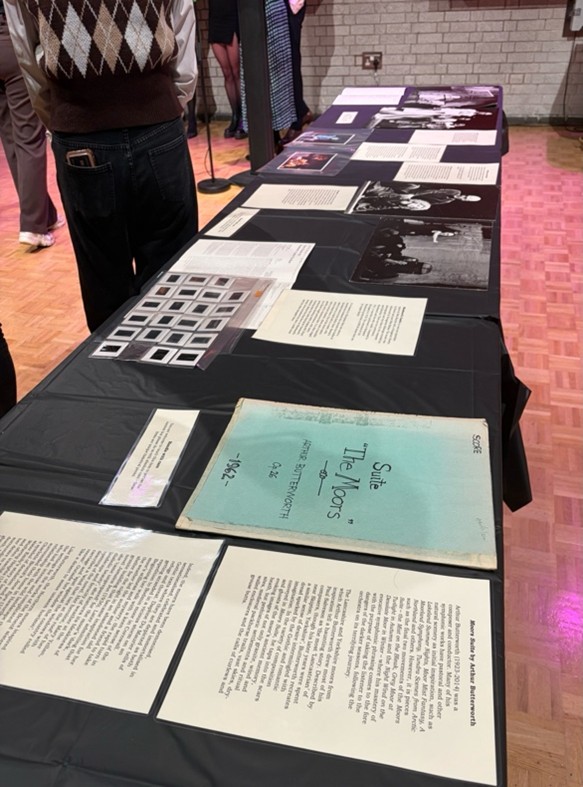
As the RNCM’s archive and museum manager, Heather Roberts encouraged lively debate about the collection’s more ‘contentious’ artefacts and instruments, and the ways in which they should be preserved and displayed. Round table discussions centred upon themes of music in Gothic literature, a subject introduced by Dr Emma Liggins, as well as the intersections between disability, music and the Gothic. Supplemented by images from a range of the RNCM’s most ‘Gothic’ productions, as well as original manuscripts for several Gothic-themed compositions, the round table discussions gave attendees an opportunity to discuss their own perceptions of music’s role within a range of Gothic media. Insights from Dr Eleanor Beal drew attention to musical motifs within Gothic film and literature, as round table contributors discussed the importance of Gothic sound in terms of its historical and literary significance as well as its continued contemporary importance.
With four deliciously haunting performances from the vocal trio, the afternoon was a rousing exploration of the sounding worlds of the Gothic mode, interspersed with live reminders of the potency of the human singing voice. Looking at items from Lucy Hale’s exceptional life may have only granted attendees a tiny window into the everyday experience and artistic sensibilities of such a singular composer, but the overall experience of this collaborative exhibition reminded me that the Gothic mode is as complex as the artists that cannot resist its charms. Thanks to the RNCM archives and the Manchester Centre for Gothic for studies for such a thought-provoking afternoon of interdisciplinary research.